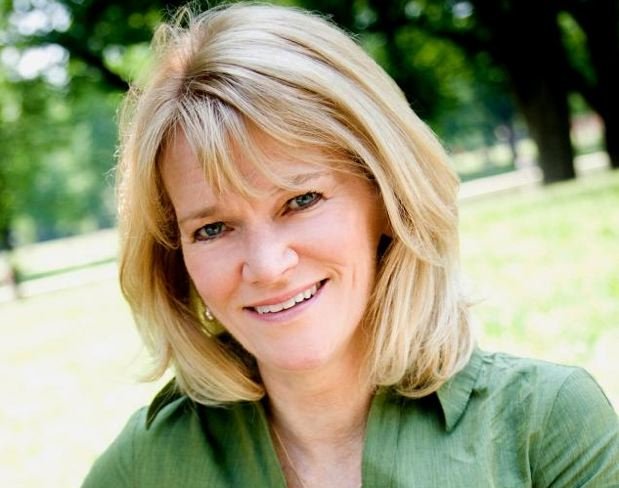
When you think of a journalist who can command a presidential debate, report from a war zone with unflappable resolve, and dissect global affairs with unmatched clarity, Martha Raddatz immediately comes to mind. Her reputation isn't just built on years of experience; it's profoundly rooted in the groundwork laid by Martha Raddatz's birth date and early life, a foundation that shaped her into one of the most respected figures in broadcast news today.
Forget the polished veneer of network television for a moment. To truly understand Raddatz's impact and her unique approach to reporting, we need to peel back the layers and look at where her story began. This isn't just a biography; it's a deep dive into the formative experiences that forged a journalistic powerhouse.
At a Glance: Martha Raddatz's Formative Years
- Born: February 14, 1953, a Valentine's Day baby.
- Hometown: Idaho Falls, Idaho, far from the media hubs of the East Coast.
- Education: Attended the University of Utah, laying foundational academic groundwork.
- Early Career Start: Began in local broadcast news, then honed her craft at NPR as a Pentagon correspondent.
- Key Traits Forged: A strong work ethic, a grounded perspective, and a deep-seated curiosity about global events.
- Impact on Career: These early experiences directly informed her no-nonsense style and authoritative command of complex subjects.
Beyond the Headlines: The Significance of February 14, 1953
Martha Raddatz entered the world on February 14, 1953, a date that, while perhaps not inherently noteworthy in the grand scheme of global events, places her firmly within a specific generation: the post-World War II baby boomers. Born in Idaho Falls, Idaho, her upbringing contrasted sharply with that of many contemporaries who might have grown up in major metropolitan areas with immediate access to national newsrooms. This geographical distance, ironically, may have provided her with a unique lens through which to view the world.
Growing up in the 1950s and coming of age in the 1960s and 70s meant witnessing a period of immense social and political upheaval. The Cold War, the Civil Rights Movement, the Vietnam War, and the Watergate scandal were not just abstract concepts reported on television; they were seismic events shaping the national consciousness. For a young, curious mind like Raddatz's, this era likely fueled an early interest in current events and the mechanisms of power. It was a time when trust in institutions was both tested and, in some cases, profoundly broken, making the role of an honest, diligent journalist more critical than ever. This historical backdrop undoubtedly instilled a sense of purpose and skepticism that would later define her investigative approach.
From Idaho Falls to the Global Stage: A Rooted Perspective
Idaho Falls, Idaho, isn't typically associated with producing world-renowned journalists, but perhaps that's precisely its strength. Growing up in a more insular, community-focused environment can foster a grounded perspective, a valuable asset for anyone reporting on complex global issues. It teaches you to simplify without being simplistic, to connect with people on a human level, and to understand the impact of grand policies on everyday lives.
This early exposure to a different pace and perspective, away from the constant hum of Washington D.C. or New York City, likely imbued Raddatz with a practical, no-nonsense approach to information gathering. It’s an invaluable quality that helps her cut through spin and articulate the core truths of a story, whether she's embedded with troops in Afghanistan or interviewing heads of state. It suggests that deep understanding isn't solely cultivated in elite university seminars or bustling newsrooms, but also in the quiet observation of the world around you, regardless of location.
The Academic Stepping Stones: University of Utah
Before Martha Raddatz became a household name synonymous with ABC News, she pursued her academic interests by attending the University of Utah. While specific details about her degree or major aren't widely publicized, the act of engaging in higher education provided a critical foundation for her future career. A university setting offers more than just textbooks; it's a crucible for critical thinking, research skills, and the ability to synthesize complex information – all indispensable tools for a journalist.
Attending a university also exposes individuals to diverse viewpoints, challenges their assumptions, and refines their communication abilities. For someone destined to report on intricate global affairs, this academic period would have been crucial for developing the intellectual rigor necessary to analyze geopolitics, history, and international relations. It’s where nascent curiosity transforms into disciplined inquiry, preparing one for the relentless demands of newsgathering.
Building the Foundation: Local News to National Recognition
Raddatz's path to becoming ABC News' Chief Global Affairs Correspondent wasn't a sudden leap. Like many seasoned journalists, she started at the ground level, cutting her teeth at local broadcast stations. This stage of her career, often overlooked in the glamor of national news, is where fundamental reporting skills are truly honed. You learn how to meet tight deadlines, conduct on-the-spot interviews, operate cameras, write clear scripts, and understand the pulse of a community.
The NPR Years: A Deep Dive into Defense
A pivotal chapter in Raddatz's early career was her move to NPR, where she distinguished herself as a Pentagon correspondent. This wasn't merely a change of employers; it was a shift into a highly specialized and demanding beat that would shape her expertise for decades to come. NPR, known for its in-depth, nuanced, and analytical reporting, provided the perfect environment for Raddatz to develop her signature style.
As a Pentagon correspondent, she immersed herself in the intricate world of national security, defense policy, and military operations. This role demanded:
- Mastery of Complex Jargon: Translating highly technical military and defense terminology into understandable language for a broad audience.
- Access and Trust: Building relationships with top defense officials, military leaders, and intelligence sources, often requiring painstaking effort to gain their trust.
- Analytical Acumen: Understanding geopolitical strategies, budget allocations, weapons systems, and the human cost of conflict.
- Reporting from the Inside: Being privy to high-level briefings and often breaking exclusive news about defense matters.
This period at NPR was invaluable. It cultivated her ability to grasp the nuances of international relations and military action, laying the groundwork for her future role as a leading voice on global affairs. It taught her the importance of precision, context, and delving deeper than the official press release.
The Move to ABC: From "Nightline" to Global Affairs Correspondent
By 1999, Martha Raddatz had joined ABC News, a move that solidified her transition to national and international broadcast journalism. Her initial work for programs like "Nightline" and "World News" allowed her to expand her reporting canvas, bringing her expertise from the Pentagon to a wider audience. These roles provided opportunities to cover a broader array of stories, from domestic issues to unfolding international crises.
Her tenure at ABC saw her ascend to the role of Chief Global Affairs Correspondent. This wasn't just a title; it was an acknowledgment of her unparalleled ability to report on some of the most critical and dangerous stories of our time. Her meticulous research, unwavering courage, and commitment to factual reporting earned her multiple Emmy Awards, a testament to the high caliber of her journalism.
Signature Reporting: High Stakes and Hard Truths
Raddatz's early life experiences and professional trajectory converge in her signature reporting style. She became renowned for her:
- Conflict Zone Coverage: From Iraq and Afghanistan to Syria, she consistently delivered groundbreaking coverage from the front lines, often embedded with troops, providing a raw, unfiltered look at the realities of war. This isn't just about showing up; it's about understanding the logistics, the political implications, and the human impact, all honed during her Pentagon years.
- Breaking Major International News: Her career is punctuated by significant scoops, most notably breaking the news of Abu Musab al-Zarqawi's death in Iraq, a pivotal moment in the fight against terrorism. This kind of reporting requires deep sourcing, unwavering dedication, and the ability to verify information under immense pressure.
- National Security Expertise: Her long history of exclusive reporting from the Pentagon and her insights into national security issues positioned her as a go-to authority, particularly in times of crisis.
- Moderating Key Debates: Her ability to moderate high-stakes political debates, such as the 2012 Vice Presidential debate between Joe Biden and Paul Ryan, showcased her sharpness, fairness, and deep understanding of policy issues. These moments demand not just knowledge, but also an ability to control the narrative and hold powerful figures accountable.
- High-Profile Interviews: Interviewing figures like former President Barack Obama requires not just journalistic prowess, but also a command of the subject matter that inspires trust and allows for insightful, probing questions.
These career milestones aren't isolated incidents; they are direct manifestations of the journalistic muscle she developed throughout her early career, fueled by the perspective forged in her Idaho upbringing and refined through her NPR experience.
The Personal Life: A Reflection of Professional Worlds
While Martha Raddatz's professional achievements often dominate the public discourse, glimpses into her personal life reveal a world deeply intertwined with media, politics, and public service. She has been married three times, each relationship linking her to prominent figures within these spheres.
Her first marriage was to journalist Ben Bradlee Jr., a respected investigative reporter and editor, with whom she had a son, Luke. This connection to the Bradlee family, a journalistic dynasty, speaks volumes about the intellectual and professional environment she inhabited. It’s a world where news, analysis, and storytelling are often dinner table conversations.
Later, she married Julius Genachowski, who would go on to become the chairman of the Federal Communications Commission (FCC) under President Barack Obama. This marriage further underscored her proximity to the corridors of power and policy-making, providing an invaluable, albeit indirect, understanding of how decisions are made and communicated at the highest levels.
Her current marriage, since 1997, is to NPR correspondent Tom Gjelten. The fact that both she and Gjelten are deeply entrenched in the world of public radio and international reporting suggests a shared passion and understanding of their demanding careers. Together, they navigate the complexities of their respective roles, undoubtedly providing a supportive intellectual partnership.
Raddatz is a mother of two children, including her son Luke. Balancing a highly demanding career that often takes her to dangerous locales with the responsibilities of motherhood is a testament to her extraordinary resilience and organizational skills. This aspect of her life, while personal, offers a window into the multifaceted demands placed on women in high-profile journalism.
Common Questions About Martha Raddatz's Background
What did Martha Raddatz study in college?
Martha Raddatz attended the University of Utah. While specific details about her major or degree are not widely published, her time there provided a foundational education crucial for her career in journalism.
Where did Martha Raddatz start her journalism career?
She began her journalism career at local broadcast stations before moving on to NPR as a Pentagon correspondent, eventually joining ABC News.
How did Martha Raddatz gain her expertise in national security?
Her extensive background as a Pentagon correspondent for NPR, coupled with years of covering defense and foreign policy for ABC News, allowed her to build deep expertise and strong relationships within national security circles.
What are some of Martha Raddatz's most notable early career achievements?
Early in her national career, her work as a Pentagon correspondent for NPR stood out, establishing her as a respected voice on defense matters, which prepared her for later groundbreaking conflict reporting at ABC.
Does Martha Raddatz have any siblings?
Public information about Martha Raddatz's siblings is not widely available, as her focus has largely remained on her professional journalism career.
The Enduring Impact: A Blueprint for Aspiring Journalists
Martha Raddatz's journey, from her birth date in Idaho Falls in 1953 to her current role as ABC News' Chief Global Affairs Correspondent, offers a compelling blueprint for anyone aspiring to a career in journalism. It’s a testament to the idea that expertise is built incrementally, through dedication, a willingness to immerse oneself in complex subjects, and an unyielding commitment to seeking truth.
Her early life experiences – growing up away from the media centers, attending university, and starting in local news before ascending to national and international reporting – illustrate that a grounded, systematic approach can lead to the pinnacle of the profession. She didn't parachute into global affairs; she earned her place through years of diligent reporting, often in challenging and dangerous environments.
What you see in Martha Raddatz today – the authoritative presence, the incisive questions, the ability to explain the world's most intricate conflicts – is not merely talent. It is the culmination of every step of her journey, a carefully constructed edifice built on the strong foundations laid during her birth date and early life. Her story reinforces that true journalistic excellence is born from deep roots, unwavering curiosity, and a relentless pursuit of understanding, regardless of where that journey begins.